
Best Mind Therapy · Trauma & PTSD · Swindon & UK-wide online
You deserve to feel heard. There is a way forward.
Difficult experiences can continue to shape how you feel long after the event itself. Taking a first step towards support should be met with care, respect and choice.
I'm Gary Smith, a psychotherapist and clinical hypnotherapist in Swindon. I offer a considered first conversation about trauma-related difficulties, what you need now and which support options are appropriate for you.
Free initial consultation · In-person Swindon · Online throughout the UK
01 / Understanding the experience
Some experiences stay with us in ways other people cannot see.
Perhaps you find yourself constantly on alert, struggle to relax, or feel as though a reminder can pull you back into a difficult moment.
Traumatic events can affect our sense of safety, our relationships, sleep and day-to-day confidence. Responses vary widely. Some people experience intrusive memories or flashbacks; others notice emotional numbness, avoidance, irritability or a feeling of disconnection.
Having trauma-related symptoms does not necessarily mean you have PTSD. A suitably qualified healthcare professional can assess whether the experiences meet diagnostic criteria, and which forms of care are most appropriate.
You don't have to arrive knowing exactly how to describe what is happening.
02 / How trauma can affect everyday life
There isn't one way to experience trauma.
These are some of the concerns people may recognise. They are not a checklist or a diagnosis.
Feeling on alert
Being watchful, easily startled or finding it difficult to settle, even when nothing appears obviously wrong.
Unwelcome reminders
Intrusive memories, distressing dreams or powerful emotional reactions to sounds, places or situations.
Withdrawal or avoidance
Steering clear of reminders, conversations or situations that feel difficult, sometimes affecting your choices.
Changes in mood or connection
Feeling distant, irritable, ashamed, emotionally numb or unsure how to reconnect with the life you want.
03 / A thoughtful starting point
You deserve to be listened to, not rushed.
Good trauma-related care begins with understanding, consent and an honest discussion of options.
We can talk about the difficulties you're experiencing now, the changes you hope for, and whether the support I offer is suitable. You can ask questions, decline a technique or choose not to continue.
For some people, the next step will be working with a practitioner trained in a specialist trauma-focused treatment. Where that is more appropriate, I will explain the options rather than suggesting my approach is a replacement.
04 / Evidence-based PTSD treatment
Knowing your options is part of making an informed choice.
There are established psychological treatments for PTSD, and it's important to distinguish these from supportive approaches.
NICE recommends individual trauma-focused cognitive behavioural therapy (CBT) for adults with PTSD. It also recommends eye movement desensitisation and reprocessing (EMDR) in specified circumstances, particularly for non-combat-related trauma.
These treatments are delivered by practitioners with relevant specialist training and supervision. If PTSD is suspected or diagnosed, I can discuss whether specialist assessment or a referral for trauma-focused treatment is advisable.
Hypnotherapy and Solution Focused approaches have a more limited evidence base for treating PTSD. I do not present them as equivalent to NICE-recommended trauma-focused therapies or promise they will resolve traumatic memories.
05 / Finding a suitable path
A conversation about what would help you now.
The most appropriate next step can look different from one person to another.
Understanding your needs
Discussing current symptoms, existing support, your sense of safety and the goals you want to work towards.
Considering the evidence
Exploring whether the services I offer are appropriate or whether a specialist trauma-focused clinician would be a better fit.
Choosing your next step
Deciding without pressure, with consent and regular review if we agree to work together.
06 / How to begin
One conversation. Clear choices.
There is no need to commit to a programme or decide everything before you get in touch.
01
Book a free consultation
Choose a convenient time to talk privately about what brings you here and what you would like to understand.
02
Discuss suitability
I'll explain what I offer, identify any concerns needing assessment and talk through other available options.
03
Decide together
If suitable and you wish to continue, we'll agree a plan and review it together. If another service fits better, we'll discuss referral options.
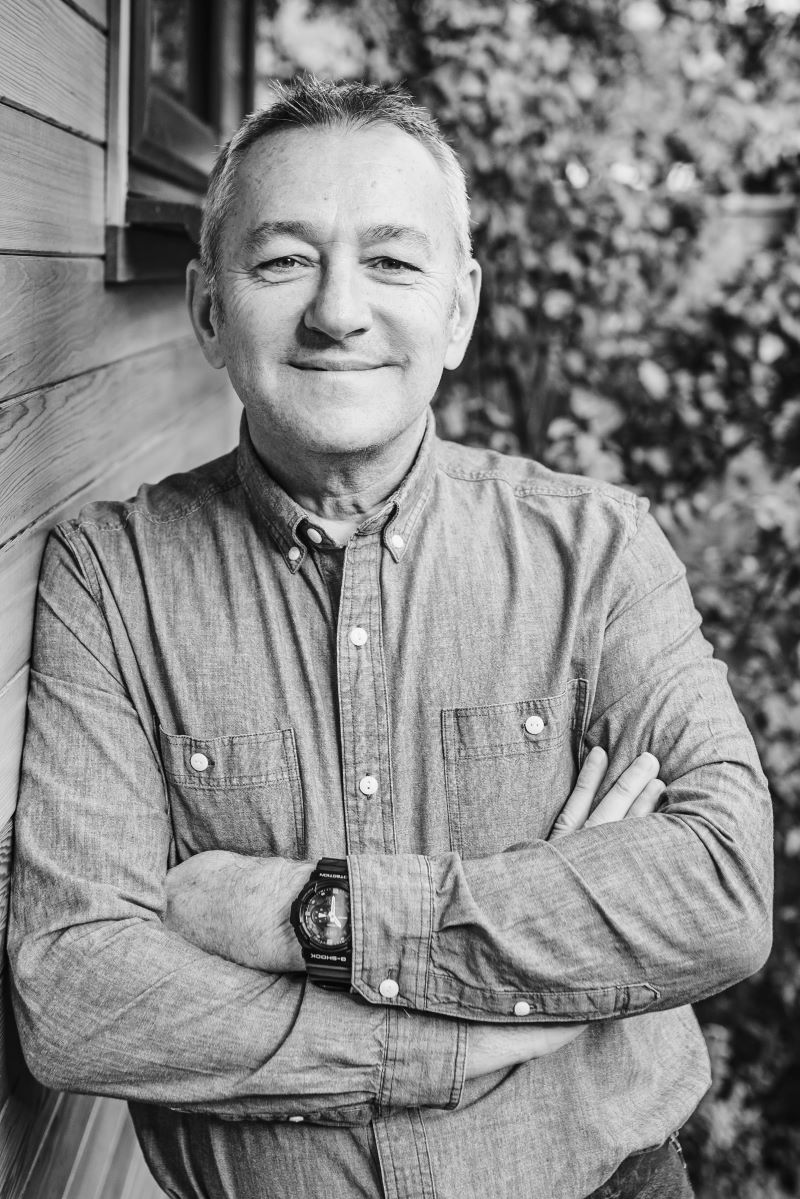
07 / Meet your therapist
Hello, I'm Gary.
I believe the first conversation should help you feel informed and respected, not rushed into a decision.
I'm a psychotherapist and clinical hypnotherapist based in Swindon. I also lecture and supervise other hypnotherapists. My approach is friendly, practical and collaborative, with a focus on understanding your needs and working ethically within the limits of my training.
When someone is considering support after a traumatic experience, taking the time to consider the right treatment matters. I won't assume that one particular method is appropriate for every person or every trauma-related difficulty.
- Free initial consultation
- In-person sessions in Swindon
- Suitable online appointments UK-wide
- Clear discussion of treatment options
Where we can meet
Trauma-related support in Swindon and online across the UK.
An initial conversation can help you explore appropriate support, whether you are close to Swindon or would prefer to discuss a suitable online appointment.
In person · Swindon clinic
North Swindon and neighbouring communities
Best Mind Therapy is based on Northbourne Road, Swindon, Wiltshire, SN25 4YE. People are welcome to enquire from an approximate 50-mile radius, including Cirencester, Royal Wootton Bassett, Chippenham, Marlborough, Devizes, Gloucester, Cheltenham, Bath, Bristol, Oxford, Newbury and nearby towns.
Appointments take place at the Swindon practice by prior arrangement. Other towns mentioned here are not additional therapy clinics.
Online · United Kingdom
Online conversations where appropriate
Suitable consultations may be available online throughout England, Scotland, Wales and Northern Ireland. We'll discuss privacy, safety, your needs and whether remote support is suitable before deciding how to proceed.
Where PTSD symptoms or other concerns call for specialist trauma-focused care, I can explain the importance of an appropriate assessment and available treatment options.
The 50-mile catchment is an approximate straight-line radius centred on the Swindon practice. Road distance and travel times vary. Availability and suitability of any appointment are discussed individually.
08 / Frequently asked questions
Questions you may be wondering about.
Clear answers, without promising more than any therapy can reliably deliver.
Do I need a PTSD diagnosis to book a consultation?
No. You can discuss trauma-related difficulties without a diagnosis. If an assessment is necessary, I can explain why and how to seek it.
Will I have to describe the traumatic event in detail?
Not during an initial enquiry. We can begin with what is happening now, your concerns and your goals. If specialist trauma-focused treatment is appropriate, that clinician can explain how any work involving traumatic memories is undertaken with informed consent.
What treatments does NICE recommend for PTSD?
NICE recommends individual trauma-focused CBT for adults with PTSD and EMDR in specified circumstances. The treatment selected should reflect an appropriate clinical assessment, your preferences and the guidance for your situation.
Can hypnotherapy treat PTSD?
The evidence for hypnotherapy as a PTSD treatment is considerably more limited than for trauma-focused CBT or EMDR. I will not describe hypnotherapy as a replacement for NICE-recommended trauma-focused treatment or promise a particular outcome.
What if I experience flashbacks or dissociation?
These symptoms can warrant specialist assessment and a carefully planned approach. Please let me know during the consultation; depending on the severity and circumstances, an appropriate trauma service may be the better next step.
Do you offer online consultations?
Yes, where clinically appropriate. I offer online appointments throughout the UK and in-person consultations in Swindon. We'll discuss suitability and privacy before arranging further work.
How many sessions would I need?
There is no single number that applies to everyone. It depends on your goals, needs and which treatment is appropriate. Any plan should be explained and reviewed rather than promising a fixed result.
Is the initial consultation free?
Yes. The initial consultation is free and there is no obligation to continue. You can also see current fees and arrangements on the Fees page.
09 / The next step
You don't have to decide everything today.
An initial conversation can help you understand your choices and consider what the right support might look like for you.
You're welcome to book a free, no-obligation consultation in Swindon or online throughout the UK.
This service is not an emergency or crisis service. If you or someone else is in immediate danger, call 999. For urgent NHS mental health support in England, contact NHS 111 and select the mental health option.